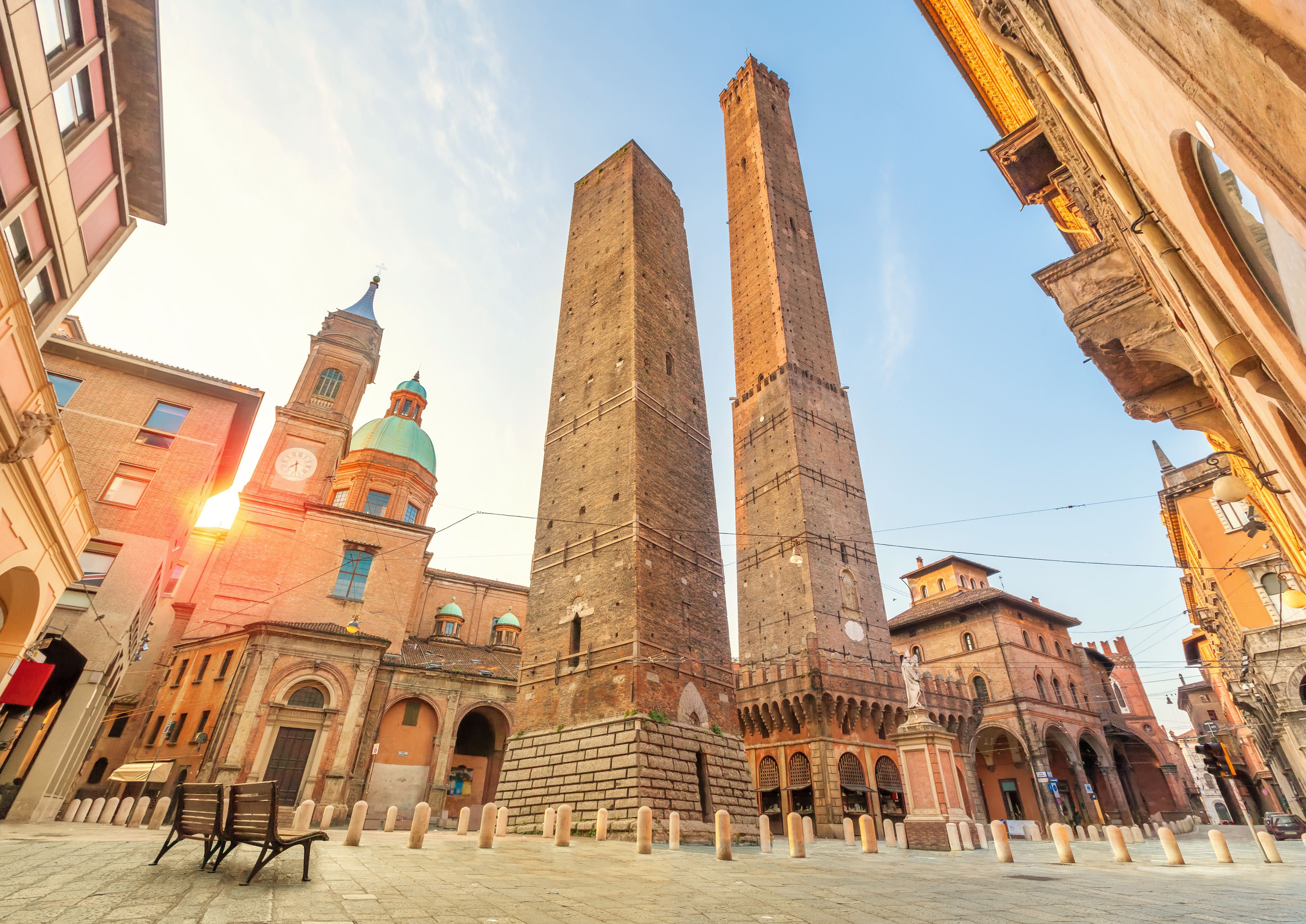

Art & design school trips to Rome
£579 to £920
A typical school trip to Rome cost is £579 - £920 per person, depending on time of travel, transport, accommodation and inclusions.
Capital of the birthplace of Renaissance art, there’s little wonder that Rome is one of our groups’ favourite destinations for an art and design school trip. Develop your students’ understanding of Roman architecture and design through the city’s historic landmarks, before heading to the National Gallery and the breathtaking Sistine Chapel, where they can draw inspiration from world-class paintings and intricate frescoes.


SUGGESTED ITINERARIES
Day
1
- Depart the UK and travel to Rome
- Spanish Steps
- Trevi Fountain
- Evening meal at local restaurant

Day
2
- Vatican City
- Vatican Museum & Sistine Chapel
- Castel Sant’Angelo
- National Gallery of Modern & Contemporary Art
- Evening meal at local restaurant

Day
3
- Colosseum visit
- Scala Santa
- Basilica of San Giovanni
- Evening meal at local restaurant

Day
4
- Borghese Gallery and Museum
- Depart Rome
- Arrive in the UK

Rome is one of the world's greatest artistic and cultural centres, offering students the opportunity to explore Renaissance masterpieces, classical architecture, religious art and contemporary collections in an unforgettable setting. From Michelangelo's frescoes in the Sistine Chapel and Raphael's paintings to the architectural achievements of Ancient Rome, students can investigate how art reflects historical, cultural and religious influences while developing their own creative practice.
Student Development
During their visit, students can develop:
- Cultural awareness
- Creative thinking and experimentation
- Observation and visual analysis skills
- Communication and collaboration
- Independent learning
- Research and investigative skills
- Confidence and resilience
- Critical thinking and evaluation
GCSE & A Level Art & Design
Rome provides excellent opportunities for students to:
- Undertake primary source research
- Explore world-famous artworks, architecture and sculptures
- Investigate Renaissance, Baroque and contemporary art movements
- Develop contextual understanding of art throughout history
- Gather inspiration for coursework and portfolio development
- Analyse how art communicates religion, power and cultural identity
GCSE & A Level Fine Art
Students can study:
- Renaissance and Baroque art practices
- Painting, sculpture and fresco techniques
- The work of Michelangelo, Raphael, Bernini and Caravaggio
- Religious art and symbolism
- The relationship between art, architecture and society
- The influence of classical art on later artistic movements
GCSE & A Level Photography
Rome offers an exceptional environment for photography students to explore:
- Architectural photography
- Urban landscapes and cityscapes
- Historic buildings and monuments
- Documentary photography
- Light, texture and composition
- Visual storytelling through culture and heritage
A Level History of Art
Students can investigate:
- Ancient Roman, Renaissance and Baroque art
- The artistic legacy of Michelangelo, Raphael and Bernini
- Religious art and patronage
- Museum collections and curation
- The influence of classical architecture and sculpture
- Art within its historical, cultural and religious context
Design & Technology
Rome's architectural heritage and urban design allow students to explore:
- Architectural design and engineering
- Structural innovation in historic buildings
- The use of materials in art and construction
- Creative problem-solving
- The relationship between function and aesthetics
- The influence of classical design on modern architecture
Features
ACCOMMODATION

Just down the road from Rome’s Termini train station, family-run Hotel Luciani is perfectly positioned for public transport links and a comfortable walk from the main sights of the city, including the Trevi Fountain and Colosseum.
- Free Wi-Fi
- Air conditioning
- Breakfast room
- TV and lounge area


Located in the centre of Rome, Hotel Concorde is just around the corner from Termini train station, where you can easily travel around the city thanks to its metro and bus links.
- Free Wi-Fi
- Terrace
- Luggage storage
- Daily continental breakfast


Hotel Dina is a family-run hotel set within the heart of Rome, just 100 metres away from the Basilica Papale di Santa Maria Maggiore and within walking distance to Termini train station.
- Free Wi-Fi
- 24-hour reception
- Luggage storage
- Daily italian buffet breakfast


Just down the road from Rome’s Termini train station, family-run Hotel Luciani is perfectly positioned for public transport links and a comfortable walk from the main sights of the city, including the Trevi Fountain and Colosseum.
- Free Wi-Fi
- Air conditioning
- Breakfast room
- TV and lounge area
Located in the centre of Rome, Hotel Concorde is just around the corner from Termini train station, where you can easily travel around the city thanks to its metro and bus links.
- Free Wi-Fi
- Terrace
- Luggage storage
- Daily continental breakfast
Hotel Dina is a family-run hotel set within the heart of Rome, just 100 metres away from the Basilica Papale di Santa Maria Maggiore and within walking distance to Termini train station.
- Free Wi-Fi
- 24-hour reception
- Luggage storage
- Daily italian buffet breakfast
Excursions

Sistine Chapel & Vatican Museum
Commissioned in 1480, the Sistine Chapel is the site of the papal conclave and is home to Michelangelo’s elaborate ceiling and Last Judgment fresco. This powerful building offers an excellent location to discuss the role and selection of the Pope with your students, as they absorb the building’s significance in Rome and explore its wide selection of religious art.

Colosseum Visit
Explore the role and importance of religion in the 2,000-year-old Colosseum, where gladiators and beasts once battled. A legendary site immortalised in film, the Colosseum is always popular among our student groups. Nearby, you can also tour the adjacent Forum and see the ruins of ancient Rome’s most exclusive neighbourhood, where emperors lived in luxury.

Castel Sant'Angelo
Embark on a journey through time at the Mausoleum of Hadrian, which holds many ancient tales within its walls. Initially erected for the Roman Emperor Hadrian more than 1,800 years ago, the building was later used by the popes as a fortress and castle, and is now a museum which walks visitors through its vast, storied history.

St Peter's Basilica
One of the world’s holiest Catholic sites and largest churches, this cavernous building features a breathtaking dome with masterpieces by Michelangelo and Bernini. It won’t take much encouragement for your students to study the power of Catholicism and the importance of pilgrimage as they experience this Vatican City highlight – one of our favourite excursions in Rome.

Spanish Steps
The widest stairway in Europe, Rome’s Spanish Steps are famous worldwide for their unique design, having been immortalised in several films and television shows. The steps were built in the 17th century to link the Spanish square with the Trinità dei Monti church, and today make up one of Rome’s most-visited attractions. Located at the foot of the steps, the 17th-century Baroque Barcaccia Fountain adds to the site’s grandeur.

Trevi Fountain
No trip to Rome is complete without a visit to the Trevi Fountain – a firm favourite among Equity staff. One of the most famous and photographed fountains in the world, the fountain dates back to the 17th century and features incredible Baroque details which will amaze your students. We recommend visiting in the evening to enjoy the view of the fountain lit up. Don’t forget to throw a penny in! Who knows, you may return to Rome…

Vatican
As the seat of the Catholic religion and home of the Pope, there’s nowhere better for your students to explore the history and development of Catholicism than in Vatican City. In the Apostolic Palace, your group can experience the wonder of the remarkable Sistine Chapel, and explore the world’s largest museum complex while appreciating the power of this independent state.

National Gallery of Modern & Contemporary Art Rome
Containing works from some of the best artists across Europe, Rome’s Galleria Nazionale d’Arte Moderna is one of the best art museums in Italy. The museum’s collection includes over 5,000 paintings and sculptures across a variety of styles, with plenty of inspiration available to your students. Works of particular note including those by Paul Cezanne, Antonio Canova, Claude Monet and Vincent van Gogh.

Scala Santa
Said to be the very same staircase that Jesus walked up at the residence of Pontius Pilate in Jerusalem, the Scala Sancta are a set of 28 marble steps brought to Rome by St Helena in the 4th century. Since the 1500s, the staircase has become a site for pilgrims across the world who climb the stairs on their knees on their way to the Sancta Sanctorum – an ancient private chapel of Popes.

Basilica of San Giovanni
The Pope’s main place of worship for more than 1,000 years, this monumental cathedral is an essential stop on school trips to Rome, offering your students the perfect setting to contemplate the significance of religion in the city’s history. Built in the early 4th century, the archbasilica is dedicated to Jesus Christ and Saints John the Baptist and John the Evangelist, ranking superior to all other churches of the Roman Catholic Church since its consecration.

Borghese Gallery & Museum
A mandatory stop for school groups on an art trip to Rome, the Borghese Gallery and Museum housed what’s often referred to as the ‘queen of all private art collections’, with paintings by Caravaggio and Raphael displayed alongside exquisite sculptures by Bernini. Don’t miss a quick stop in the gallery’s surrounding English-style gardens, which were once part of the estate but are now a separate attraction.

National Roman Museum
A prerequisite for any history or classics visit to Rome, the National Roman Museum comprises exhibits from the pre- and early history of the city, spread across several sites. At the Palazzo Altemps, students can see a great collection of classical sculpture from the celebrated Ludovisi collection, while the Crypta Balbi contains fascinating archeological remains from the period.
Sistine Chapel & Vatican Museum
Commissioned in 1480, the Sistine Chapel is the site of the papal conclave and is home to Michelangelo’s elaborate ceiling and Last Judgment fresco. This powerful building offers an excellent location to discuss the role and selection of the Pope with your students, as they absorb the building’s significance in Rome and explore its wide selection of religious art.
Colosseum Visit
Explore the role and importance of religion in the 2,000-year-old Colosseum, where gladiators and beasts once battled. A legendary site immortalised in film, the Colosseum is always popular among our student groups. Nearby, you can also tour the adjacent Forum and see the ruins of ancient Rome’s most exclusive neighbourhood, where emperors lived in luxury.
Castel Sant'Angelo
Embark on a journey through time at the Mausoleum of Hadrian, which holds many ancient tales within its walls. Initially erected for the Roman Emperor Hadrian more than 1,800 years ago, the building was later used by the popes as a fortress and castle, and is now a museum which walks visitors through its vast, storied history.
St Peter's Basilica
One of the world’s holiest Catholic sites and largest churches, this cavernous building features a breathtaking dome with masterpieces by Michelangelo and Bernini. It won’t take much encouragement for your students to study the power of Catholicism and the importance of pilgrimage as they experience this Vatican City highlight – one of our favourite excursions in Rome.
Spanish Steps
The widest stairway in Europe, Rome’s Spanish Steps are famous worldwide for their unique design, having been immortalised in several films and television shows. The steps were built in the 17th century to link the Spanish square with the Trinità dei Monti church, and today make up one of Rome’s most-visited attractions. Located at the foot of the steps, the 17th-century Baroque Barcaccia Fountain adds to the site’s grandeur.
Trevi Fountain
No trip to Rome is complete without a visit to the Trevi Fountain – a firm favourite among Equity staff. One of the most famous and photographed fountains in the world, the fountain dates back to the 17th century and features incredible Baroque details which will amaze your students. We recommend visiting in the evening to enjoy the view of the fountain lit up. Don’t forget to throw a penny in! Who knows, you may return to Rome…
Vatican
As the seat of the Catholic religion and home of the Pope, there’s nowhere better for your students to explore the history and development of Catholicism than in Vatican City. In the Apostolic Palace, your group can experience the wonder of the remarkable Sistine Chapel, and explore the world’s largest museum complex while appreciating the power of this independent state.
National Gallery of Modern & Contemporary Art Rome
Containing works from some of the best artists across Europe, Rome’s Galleria Nazionale d’Arte Moderna is one of the best art museums in Italy. The museum’s collection includes over 5,000 paintings and sculptures across a variety of styles, with plenty of inspiration available to your students. Works of particular note including those by Paul Cezanne, Antonio Canova, Claude Monet and Vincent van Gogh.
Scala Santa
Said to be the very same staircase that Jesus walked up at the residence of Pontius Pilate in Jerusalem, the Scala Sancta are a set of 28 marble steps brought to Rome by St Helena in the 4th century. Since the 1500s, the staircase has become a site for pilgrims across the world who climb the stairs on their knees on their way to the Sancta Sanctorum – an ancient private chapel of Popes.
Basilica of San Giovanni
The Pope’s main place of worship for more than 1,000 years, this monumental cathedral is an essential stop on school trips to Rome, offering your students the perfect setting to contemplate the significance of religion in the city’s history. Built in the early 4th century, the archbasilica is dedicated to Jesus Christ and Saints John the Baptist and John the Evangelist, ranking superior to all other churches of the Roman Catholic Church since its consecration.
Borghese Gallery & Museum
A mandatory stop for school groups on an art trip to Rome, the Borghese Gallery and Museum housed what’s often referred to as the ‘queen of all private art collections’, with paintings by Caravaggio and Raphael displayed alongside exquisite sculptures by Bernini. Don’t miss a quick stop in the gallery’s surrounding English-style gardens, which were once part of the estate but are now a separate attraction.
National Roman Museum
A prerequisite for any history or classics visit to Rome, the National Roman Museum comprises exhibits from the pre- and early history of the city, spread across several sites. At the Palazzo Altemps, students can see a great collection of classical sculpture from the celebrated Ludovisi collection, while the Crypta Balbi contains fascinating archeological remains from the period.
Trip details
All Equity packages are tailor-made to suit the needs of our groups. Here are our standard package inclusions:
- Return travel by air or coach (air packages include overseas airport transfer. Coach to UK airport from school is available as an optional extra)
- All security charges, airport and local taxes
- 1 free staff place for every 10 full paying passengers by air OR 1 free staff place for every 8 full paying passengers by coach
- Full-board accommodation
- Excursions
- Full use of your coach in resort (this applies to coach groups only and is subject to EU drivers hours regulations)
- 24-hour emergency service support
- All travel documentation, luggage labels and resort information
- Lunches
- Meals en-route. While travelling to and from your destination you need to consider meals. These are not included in the package prices
- Air passenger duty. Any paying passengers over the age of 16 at time of travel will be charged a small tax fee
- Tourist tax
- Damage deposit
Prices are subject to change based on intended dates of travel and final numbers, the Equity team are here to offer you advice and guidance from start to finish, ensuring your school trip runs smoothly and is a great success.
Travel by: Air
Nearest airport: Rome-Fiumicino International (Leonardo da Vinci) (FCO) / Ciampino International (G. B. Pastine) (CIA)
Transfer time from airport: 1hr
Best times to travel: April, May, October
Suggested tour length: 4 days, 3 nights / 3 days, 2 nights
- Florence – Delve into Renaissance art at the Uffizi and Accademia, alongside Florence's historic centre.
- Venice – Discover an amazing mix of Gothic, Renaissance and Rococo art, plus Venetian glassmaking & mask design.
- Bologna – Find out how creative design translates into industry with visits to Ferrari, Lamborghini, Ducati and Maserati.
- Spotlight on Rome – Explore our guide to planning an art-focused Rome trip, including budget-friendly ideas.
- All Art & Design School Trips – Browse our full collection of expertly planned art & design school trips.
- Our Very Best Art Trips – From Renaissance to contemporary, find out which trips best suit your syllabus in our blog.
Frequently asked questions about Rome Art Trips
Why is Rome a good destination for an art and design school trip?
Rome is home to some of the world's most significant artistic and architectural treasures. Students can experience Renaissance masterpieces, ancient monuments, world-class museums and iconic landmarks that have influenced artists and designers for centuries.
How does a Rome art and design trip support GCSE and A Level studies?
Rome provides opportunities for primary source research, observational drawing, contextual studies and critical analysis. Students can engage directly with artworks, architecture and historical sites to support coursework and portfolio development.
What are the best art museums for school groups in Rome?
Popular visits include the Vatican Museums, the Sistine Chapel, the Borghese Gallery and the National Gallery of Modern and Contemporary Art. These attractions offer students access to some of the most influential artworks in history.
Why should art students visit the Sistine Chapel?
The Sistine Chapel is home to Michelangelo's renowned ceiling frescoes and The Last Judgment. It provides students with an exceptional opportunity to study Renaissance art, composition, scale, symbolism and artistic technique.
What can students learn from visiting the Borghese Gallery?
The Borghese Gallery houses masterpieces by artists such as Caravaggio and Raphael, alongside remarkable sculptures by Bernini. Students can explore artistic techniques, patronage and the development of European art.
Is Rome suitable for photography students?
Yes. Rome offers a wealth of photographic opportunities, from ancient monuments and Renaissance architecture to bustling piazzas, fountains and street scenes. The city's unique blend of history and culture makes it ideal for architectural and documentary photography.
What artistic movements can students explore in Rome?
Students can investigate Classical Roman art, the Renaissance, Baroque art and contemporary artistic practices. Rome's museums and landmarks provide a unique opportunity to see how artistic styles have evolved over thousands of years.
What are the best sketching locations in Rome for students?
Popular sketching locations include the Trevi Fountain, Spanish Steps, St Peter's Basilica, the Colosseum, Castel Sant'Angelo, the Roman Forum and the gardens surrounding the Borghese Gallery. These sites offer excellent opportunities to study perspective, architecture and composition.
How can a Rome school trip inspire coursework projects?
Students can develop sketchbooks, artist studies, photography portfolios and personal investigations inspired by Renaissance masterpieces, classical architecture, religious art and the city's rich visual culture.
Which subjects benefit from an art and design school trip to Rome?
Rome is ideal for Art & Design, Fine Art, Photography, Design & Technology, History of Art, Classics and Religious Studies. The city offers valuable cross-curricular learning opportunities through its art, architecture and cultural heritage.
What skills can students develop on an educational trip to Rome?
Students can strengthen creativity, visual literacy, cultural awareness, independent research skills, critical thinking and communication skills while engaging with world-famous artworks and historic environments.
Why is Rome considered one of the world's most important art cities?
As the centre of the Roman Empire, the Renaissance and the Catholic Church, Rome has shaped the history of art and architecture for over two thousand years. Its collections and landmarks continue to influence artists, designers and architects worldwide.
How does Rome support A Level Art personal investigations?
Rome provides rich primary-source material through its museums, architecture, sculptures and religious art. Students can undertake detailed research and first-hand observation to support independent investigations and portfolio work.
What makes Rome unique compared with other art trip destinations?
Few destinations offer the same concentration of ancient monuments, Renaissance masterpieces, religious art and architectural landmarks. Students can explore over two thousand years of artistic development in one city, making Rome an unparalleled destination for art and design studies.
More Art & design school trips

Art & design school trips to Venice

Art & design school trips to New York

Art & design school trips to California

Art & design school trips to Paris

Art & design school trips to Berlin

Art & design school trips to Amsterdam

Art & design school trips to London

Art & design school trips to Barcelona

Art & design school trips to Madrid

Art & design school trips to Florence