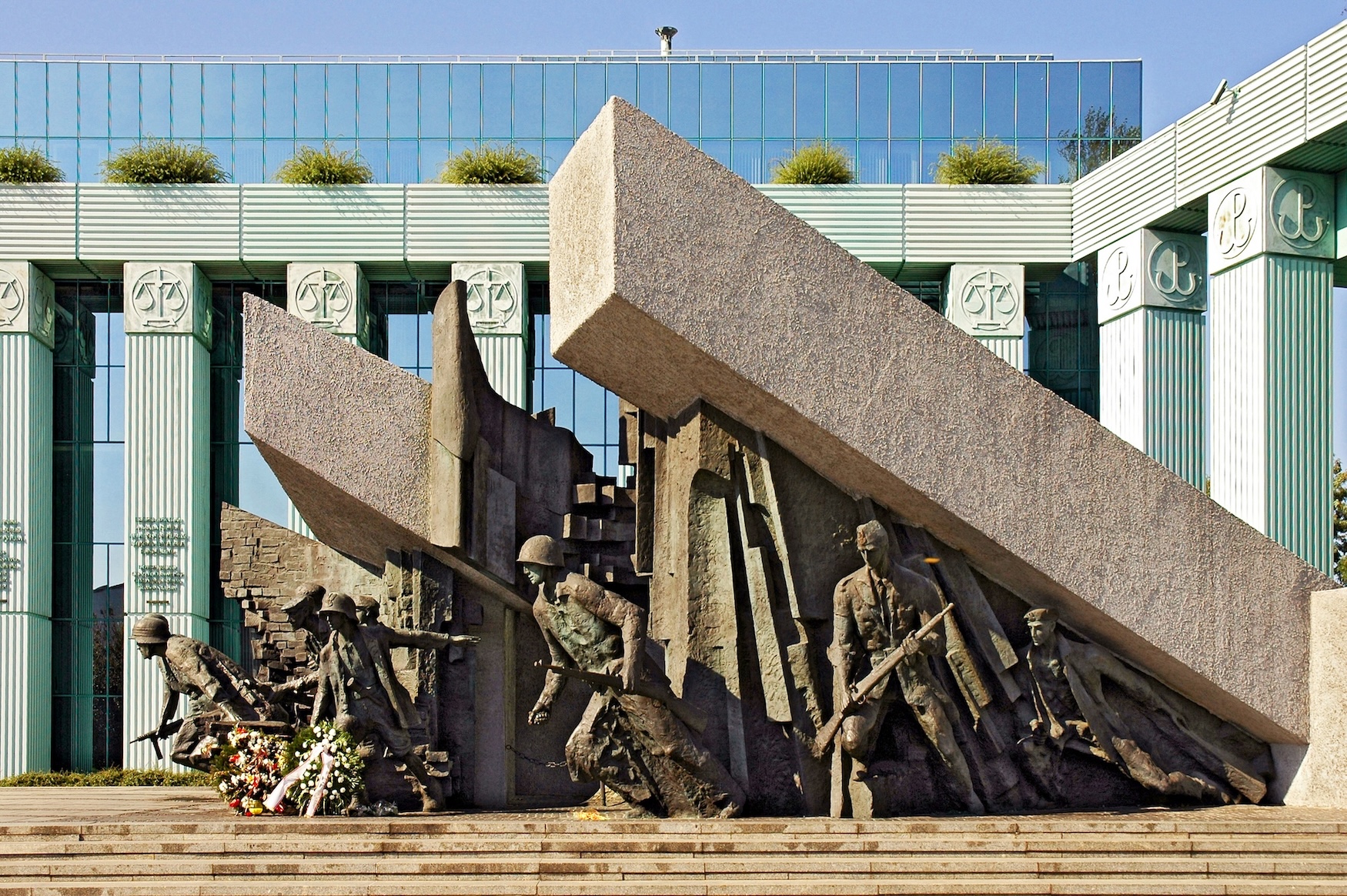
History school trips to Normandy
£379 to £625
A typical school trip to Normandy cost is £379 to £625 per person, depending on time of travel, transport, accommodation and inclusions.
An excellent location for Key Stage 3 or GCSE students to get under the skin of the Norman Conquest or the Second World War, Normandy is a natural choice for a history school trip. Examine the incredible length of the Bayeux Tapestry, which tells the tale of the events culminating in the Battle of Hastings in 1066, visit William the Conqueror’s castle in Falaise, or pay tribute to the fallen soldiers of the D-Day landings at the region’s cemeteries and memorials – there’s something to suit all curriculum objectives in Normandy.


SUGGESTED ITINERARIES
The Norman conquest led to far-reaching and long-lasting political change across England.
Day
1
- Depart school and travel to Normandy
- Honfleur visit
- Evening meal at accommodation

Day
2
- Bayeux Cathedral
- Explore Bayeux
- Evening meal at accommodation
- Bowling

Day
3
- Sainte-Mere-Eglise
- Mont St Michel
- Evening meal at accommodation

Day
4
- Chateau de Falais
- Depart from Normandy
- Arrive in the UK

There is still much to see of the D-Day Landings, including the cemeteries, the remnants of the caissons from the Mulberry Harbour at Arromanches and the German gun emplacements at Pointe du Hoc. The Caen Memorial Museum is not to be missed taking students on a journey of world events from the assasination of Franz Ferdinand in 1914 to the fall of the Berlin Wall in 1989; exhibits include an excellent overview of WWII events in the Normandy area.
Day
1
- Depart school and travel to Normandy
- Pegasus Memorial Museum
- Evening meal at accommodation

Day
2
- Pointe Du Hoc
- D-Day Landing Beach (Omaha)
- Colleville American Cemetery
- Longues sur mer German Battery
- Arromanches 360 Cinema
- D-Day Landing Museum
- Evening meal at accommodation

Day
3
- British War Cemetery
- Caen Memorial Museum
- Evening meal at accommodation
- Bowling

Day
4
- Honfleur visit
- Depart from Normandy
- Arrive in the UK

Normandy is one of Europe's most important destinations for history students, offering a unique opportunity to explore both the Norman Conquest of 1066 and the events of the Second World War. From standing on the D-Day landing beaches to examining the Bayeux Tapestry and visiting William the Conqueror's strongholds, students can bring classroom learning to life while developing a deeper understanding of some of the most significant events in British and European history.
Student Development
During their visit, students can develop:
- Historical enquiry and interpretation skills
- Critical thinking and analytical skills
- Source evaluation and evidence-based reasoning
- Empathy and understanding of historical experiences
- Communication and discussion skills
- Independent learning skills
- Cultural awareness and international understanding
- Personal reflection and resilience
KS3 History
Normandy provides opportunities for students to:
- Investigate the causes and consequences of the Norman Conquest
- Explore medieval power, monarchy and society
- Examine the significance of the Battle of Hastings
- Understand the importance of historical sources and evidence
- Develop awareness of the impact of warfare on societies
- Interpret historical sites and artefacts in context
GCSE History
Students can explore:
- The Norman Conquest and medieval England
- The causes, events and consequences of D-Day
- The Second World War and the liberation of Europe
- The experiences of soldiers and civilians during conflict
- Historical significance and interpretation
- The role of memorialisation and remembrance
A Level History
Students can examine:
- Military strategy and leadership during major conflicts
- The significance of the Allied invasion of Normandy
- The long-term impact of the Norman Conquest on Britain
- Historical sources and interpretations
- The relationship between local, national and international history
- The development of historical memory and commemoration
Historical Understanding
Students can gain insight into:
- The events leading to the Norman Conquest of England
- Life in medieval Normandy and England
- The planning and execution of Operation Overlord
- The experiences of soldiers during the D-Day landings
- The importance of remembrance and reconciliation
- The lasting legacy of conflict on communities
Cross-Curricular Learning
Normandy also supports learning in:
- Geography through coastal landscapes and battlefield geography
- Citizenship through remembrance, democracy and international cooperation
- Religious Studies through memorials, cemeteries and ethical reflection
- French through cultural immersion and local heritage
- Politics through the consequences of war and international relations
Features
ACCOMMODATION

Situated just five minutes' walk from the very centre of Caen, The People is a vibrant hostel featuring modern facilities and everything else a school group will need.
- Entertainment Room
- Playing Field
- Adaptable catering


Situated just five minutes' walk from the very centre of Caen, The People is a vibrant hostel featuring modern facilities and everything else a school group will need.
- Entertainment Room
- Playing Field
- Adaptable catering
Excursions

Arromanches 360 Cinema
Created for the 50th Anniversary of the D-Day Landings, the Arromanches 360 circular cinema sits atop the Arromanches clifftops, dominating the remnants of one of the Allied harbours. Here, students can watch the universal memory of the liberation of Western Europe projected on nine screens, and gain an in depth understanding of what happened and why.

Caen Memorial Museum
School groups can discuss the fragility of peace at this memorial, which is dedicated to the history of the 20th century and reflects upon the Second World War, looking at the causes and course of the conflict. Here, students can also explore a gallery dedicated to the Nobel Peace Prize and pay tribute to allied soldiers lost in the memorial’s three gardens. A touching a contemplative excursion we recommend for older children.

Colleville American Cemetery
Overlooking the Omaha D-Day Landing Beach, Colleville American Cemetery honours 9,388 of the American troops that died in the Second World War, and is located on the site of the former battlefield cemetery of Saint Laurent. Here, school groups can learn about the Normandy landings and military operations through the site’s maps and details, as well as the meaning of Operation Overlord at the adjoining visitors’ centre.

Mont St Michel
Transport your student group back to the Middle Ages with a visit to this iconic tidal island, which rises dramatically from the sea at high tide to the majestic Mont St-Michel Abbey. Here, students can view Europe’s highest tidal variations as they walk the fortifications, wander around the isle’s narrow alleyways, and take a break in the local creperies, before purchasing a souvenir in one of its many shops to remember their journey to the Mont.

Pegasus Memorial Museum
Follow the heroic story of the flight to Normandy and the capture of the Caen canal and Orne river bridges on this fascinating excursion. At the Pegasus Memorial Museum, students can walk across the original bridge, peek into a replica of the Horsa glider, and pay tribute to the men who captured this important area. A key event of the Second World War that’s not to be missed.

D-Day Landing Beach (Omaha)
There’s no better place to encourage your students to learn about D-Day than on one of the event’s several landing beaches, where Allied forces came by air to fight against German soldiers. From the remains of the coastal defences to shrapnel which is regularly found in the sand, remnants from the war remain at Omaha to give your group an idea of what the former battlefield may have looked like almost 80 years ago.

Longues Sur Mer German Battery
As the only battery in Normandy to retain all of its original features, the Longues-sur-Mer artillery battery is an excellent stop on your tour of the Allied landing beaches. Give your students a first-hand view of military technology in the Second World War, and help develop their understanding of Germany’s Atlantic Wall defences and their efficacy in the Battle of Normandy.

Honfleur Visit
Boasting a stunning and picturesque port where artists flock to paint and photograph, Honfleur offers an idyllic day trip where groups can explore and sample traditional cuisine. Within Honfleur, you can also find Naturospace – a stunning tropical butterfly house that’s home to around a hundred species from South America, South-East Asia and Africa.

Pointe du Hoc
The location of a series of German bunkers and artillery guns during the Second World War, La Pointe du Hoc was a prominent part of the D-Day landings as it overlooked both Utah and Omaha beaches. Today, the site looks much as it did after battle, giving students the opportunity to explore German bunkers scarred by bullet holes, while large bomb craters still mark the earth.

D-Day Landing Museum
Located at the gateway to the D-Day beaches, the Memorial Museum of the Battle of Normandy is the only museum to present all of the military operations which took place on Norman soil over the summer months of 1944. Here, students can gain a full, contextual understanding of the battle through the museum’s exhibits, scale model and film.

Bayeux Cathedral
An attractive market town, Bayeux is proud of its ancient religious heritage, which is immediately evident as you wander its Norman-Romanesque cathedral. A national monument, and the original home of the Bayeux Tapestry, the cathedral offers a great learning opportunity for your school group to learn all about the Norman Conquest and the Battle of Hastings.

British War Cemetery
With almost 4,000 British soldiers buried here, the Bayeux War Cemetery is the largest military cemetery of the Second World War in France, representative of the close ties that exist between Normandy and Great Britain. Nearby, students can visit another memorial commemorating the unidentified Commonwealth soldiers who fell during the Battle of Normandy.

Sainte-Mere-Eglise
A focal point in the Normandy landings, Sainte-Mere-Eglise was one of the first French towns liberated in the invasion, and is therefore an excellent stop on any history school trip. Nearby, you’ll find several smaller museums and gift shops commemorating the Second World War. Don’t miss the dummy paratrooper hanging from the church spire – a reference to the story of WWII paratrooper John Steele.
Arromanches 360 Cinema
Created for the 50th Anniversary of the D-Day Landings, the Arromanches 360 circular cinema sits atop the Arromanches clifftops, dominating the remnants of one of the Allied harbours. Here, students can watch the universal memory of the liberation of Western Europe projected on nine screens, and gain an in depth understanding of what happened and why.
Caen Memorial Museum
School groups can discuss the fragility of peace at this memorial, which is dedicated to the history of the 20th century and reflects upon the Second World War, looking at the causes and course of the conflict. Here, students can also explore a gallery dedicated to the Nobel Peace Prize and pay tribute to allied soldiers lost in the memorial’s three gardens. A touching a contemplative excursion we recommend for older children.
Colleville American Cemetery
Overlooking the Omaha D-Day Landing Beach, Colleville American Cemetery honours 9,388 of the American troops that died in the Second World War, and is located on the site of the former battlefield cemetery of Saint Laurent. Here, school groups can learn about the Normandy landings and military operations through the site’s maps and details, as well as the meaning of Operation Overlord at the adjoining visitors’ centre.
Mont St Michel
Transport your student group back to the Middle Ages with a visit to this iconic tidal island, which rises dramatically from the sea at high tide to the majestic Mont St-Michel Abbey. Here, students can view Europe’s highest tidal variations as they walk the fortifications, wander around the isle’s narrow alleyways, and take a break in the local creperies, before purchasing a souvenir in one of its many shops to remember their journey to the Mont.
Pegasus Memorial Museum
Follow the heroic story of the flight to Normandy and the capture of the Caen canal and Orne river bridges on this fascinating excursion. At the Pegasus Memorial Museum, students can walk across the original bridge, peek into a replica of the Horsa glider, and pay tribute to the men who captured this important area. A key event of the Second World War that’s not to be missed.
D-Day Landing Beach (Omaha)
There’s no better place to encourage your students to learn about D-Day than on one of the event’s several landing beaches, where Allied forces came by air to fight against German soldiers. From the remains of the coastal defences to shrapnel which is regularly found in the sand, remnants from the war remain at Omaha to give your group an idea of what the former battlefield may have looked like almost 80 years ago.
Longues Sur Mer German Battery
As the only battery in Normandy to retain all of its original features, the Longues-sur-Mer artillery battery is an excellent stop on your tour of the Allied landing beaches. Give your students a first-hand view of military technology in the Second World War, and help develop their understanding of Germany’s Atlantic Wall defences and their efficacy in the Battle of Normandy.
Honfleur Visit
Boasting a stunning and picturesque port where artists flock to paint and photograph, Honfleur offers an idyllic day trip where groups can explore and sample traditional cuisine. Within Honfleur, you can also find Naturospace – a stunning tropical butterfly house that’s home to around a hundred species from South America, South-East Asia and Africa.
Pointe du Hoc
The location of a series of German bunkers and artillery guns during the Second World War, La Pointe du Hoc was a prominent part of the D-Day landings as it overlooked both Utah and Omaha beaches. Today, the site looks much as it did after battle, giving students the opportunity to explore German bunkers scarred by bullet holes, while large bomb craters still mark the earth.
D-Day Landing Museum
Located at the gateway to the D-Day beaches, the Memorial Museum of the Battle of Normandy is the only museum to present all of the military operations which took place on Norman soil over the summer months of 1944. Here, students can gain a full, contextual understanding of the battle through the museum’s exhibits, scale model and film.
Bayeux Cathedral
An attractive market town, Bayeux is proud of its ancient religious heritage, which is immediately evident as you wander its Norman-Romanesque cathedral. A national monument, and the original home of the Bayeux Tapestry, the cathedral offers a great learning opportunity for your school group to learn all about the Norman Conquest and the Battle of Hastings.
British War Cemetery
With almost 4,000 British soldiers buried here, the Bayeux War Cemetery is the largest military cemetery of the Second World War in France, representative of the close ties that exist between Normandy and Great Britain. Nearby, students can visit another memorial commemorating the unidentified Commonwealth soldiers who fell during the Battle of Normandy.
Sainte-Mere-Eglise
A focal point in the Normandy landings, Sainte-Mere-Eglise was one of the first French towns liberated in the invasion, and is therefore an excellent stop on any history school trip. Nearby, you’ll find several smaller museums and gift shops commemorating the Second World War. Don’t miss the dummy paratrooper hanging from the church spire – a reference to the story of WWII paratrooper John Steele.
Trip details
- Coach for duration of the trip
- Channel Crossing
- 1 free staff place for every 8 full paying passengers
- Half-board accommodation
- Excursions
- 24-hour emergency service support
- All travel documentation, luggage labels and resort information
- Lunches
- Meals en-route - While travelling to and from your destination you need to consider meals. These are not included in the package prices.
- Tourist tax
Prices are subject to change based on intended dates of travel and final numbers, the Equity team are here to offer you advice and guidance from start to finish, ensuring your school trip runs smoothly and is a great success!
Travel by: Coach
Transfer time from Calais: 5hrs
Best times to travel: Year round, avoiding the summer months and June 6
Suggested tour length: 5 days, 4 nights
- Berlin (WWII) – Examine Nazi Germany through Sachsenhausen, the Holocaust Memorial and Berlin's wartime sites.
- Krakow – Study the Holocaust through Auschwitz-Birkenau, Schindler's Factory and Kraków's Jewish heritage.
- Prague – Explore the Holocaust and life behind the Iron Curtain through the Jewish Museum & Museum of Communism.
- Spotlight on Normandy – Explore Normandy's WWII heritage, with ideas for key sites and tips for school trip planning.
- All History School Trips – Browse our full collection of expertly planned history school trips.
Frequently asked questions about History trips to Normandy
Why is Normandy a good destination for a history school trip?
Normandy provides direct access to major historical sites connected to both the Norman Conquest and the Second World War, making it one of Europe's most valuable destinations for history students.
Why is Normandy important for studying the Second World War?
Normandy was the location of the D-Day landings on 6 June 1944, a pivotal event in the liberation of Western Europe during the Second World War.
Which D-Day sites can students visit?
Typical visits may include Omaha Beach, Pointe du Hoc, the American Cemetery at Colleville-sur-Mer, Longues-sur-Mer Battery, Arromanches and the Caen Memorial Museum.
Which curriculum areas benefit from a Normandy history trip?
Normandy is ideal for KS3, GCSE and A Level History while also supporting Geography, Citizenship, Religious Studies, Politics and French
What makes Normandy unique as a history destination?
Few destinations offer the opportunity to study both medieval and modern history at such world-renowned sites, making Normandy an exceptional location for curriculum-focused historical study.
Why do teachers choose Normandy for history trips?
Teachers value Normandy for its strong curriculum relevance, breadth of historical sites, educational value and ability to bring complex historical events to life.
More History school trips

History trips to Somme

History school trips to Rome

History school trips to Prague

History school trips to Paris

History school trips to the Opal Coast

History school trips to New York

History school trips to Munich

History school trips to London

History school trips to China

History school trips to Berlin

History school trips to Ypres & Somme

History school trips to Ypres

History school trips to East Coast USA

History school trips to Washington DC

History school trips to Brussels

History school trips to Boston

History school trips to Edinburgh

History school trips to York

History school trips to Krakow
History school trips to South Africa
History school trips to Somme & Ypres