History school trips to Rome
£579 to £920
A typical school trip to Rome cost is £579 to £920 per person, depending on time of travel, transport, accommodation and inclusions.
Introduce your students to the magnificent and varied history of Rome with our tailored history school trip. Roman history can be explored in depth with visits to several landmarks and museums – including the Colosseum, Roman Forum and Palatine Hill, among others – while the city’s numerous galleries and museums also detail Italy’s Renaissance era, unification, and 20th-century dictatorship.


SUGGESTED ITINERARIES
Rome offers students an extraordinary opportunity to explore over 2,500 years of history in one of the world's most influential cities.
Day
1
- Depart the UK and travel to Rome
- Spanish Steps
- Trevi Fountain
- Evening meal at local restaurant

Day
2
- Morning tour of the Colosseum, Roman Forum & Palatine Hill
- Afternoon guided walking tour around the city (3hrs)
- Evening meal at local restaurant

Day
3
- Visit to the Vatican & Sistine Chapel in the morning
- Afternoon spent at Catacombs of St Callixtus
- Evening meal at local restaurant

Day
4
- Morning visit to Ostia Antica
- Return journey to the UK (PM/evening flight)

From the rise of the Roman Empire and the development of early Christianity to the Renaissance, Italian unification and the twentieth century, Rome provides a living classroom where students can engage directly with the people, places and events that shaped Western civilisation.
Student Development
During their visit, students can develop:
- Historical enquiry and investigation skills
- Critical thinking and analytical skills
- Source evaluation and interpretation skills
- Communication and discussion skills
- Cultural awareness and global understanding
- Independent learning and observation skills
- Research and evidence-based reasoning
- Empathy and historical reflection
KS3 History
Rome provides opportunities for students to:
- Explore the Roman Empire and its influence on Europe
- Investigate the lives of people in Ancient Rome
- Examine the development of government and leadership
- Understand the significance of archaeological evidence
- Explore the rise of Christianity
- Interpret historical sites and monuments
GCSE History
Students can explore:
- The Roman Empire and its legacy
- The influence of religion on society and politics
- The Renaissance and its impact on Europe
- Twentieth-century Italian history
- Historical significance and interpretation
- The preservation of historical evidence and heritage
A Level History
Students can examine:
- The rise and fall of the Roman Empire
- The development of Western civilisation
- The influence of religion on European society
- Political power and leadership through time
- Continuity and change across historical periods
- Historical memory and heritage preservation
Historical Understanding
Students can gain insight into:
- Life in Ancient Rome
- The role of emperors and political institutions
- The significance of the Roman Forum as the centre of Roman public life
- The development of Christianity and the influence of the Vatican
- The cultural impact of the Renaissance
- Italy's contribution to European and global history
Cross-Curricular Learning
Rome also supports learning in:
- Classics through Roman culture, mythology and civilisation
- Religious Studies through the Vatican and early Christianity
- Art and Design through Renaissance masterpieces and architecture
- Citizenship through the study of governance, law and democracy
- Geography through urban development and settlement patterns
Features
ACCOMMODATION

Just down the road from Rome’s Termini train station, family-run Hotel Luciani is perfectly positioned for public transport links and a comfortable walk from the main sights of the city, including the Trevi Fountain and Colosseum.
- Free Wi-Fi
- Air conditioning
- Breakfast room
- TV and lounge area


Located in the centre of Rome, Hotel Concorde is just around the corner from Termini train station, where you can easily travel around the city thanks to its metro and bus links.
- Free Wi-Fi
- Terrace
- Luggage storage
- Daily continental breakfast


Hotel Dina is a family-run hotel set within the heart of Rome, just 100 metres away from the Basilica Papale di Santa Maria Maggiore and within walking distance to Termini train station.
- Free Wi-Fi
- 24-hour reception
- Luggage storage
- Daily italian buffet breakfast


Just down the road from Rome’s Termini train station, family-run Hotel Luciani is perfectly positioned for public transport links and a comfortable walk from the main sights of the city, including the Trevi Fountain and Colosseum.
- Free Wi-Fi
- Air conditioning
- Breakfast room
- TV and lounge area
Located in the centre of Rome, Hotel Concorde is just around the corner from Termini train station, where you can easily travel around the city thanks to its metro and bus links.
- Free Wi-Fi
- Terrace
- Luggage storage
- Daily continental breakfast
Hotel Dina is a family-run hotel set within the heart of Rome, just 100 metres away from the Basilica Papale di Santa Maria Maggiore and within walking distance to Termini train station.
- Free Wi-Fi
- 24-hour reception
- Luggage storage
- Daily italian buffet breakfast
Excursions

Colosseum Visit
Explore the role and importance of religion in the 2,000-year-old Colosseum, where gladiators and beasts once battled. A legendary site immortalised in film, the Colosseum is always popular among our student groups. Nearby, you can also tour the adjacent Forum and see the ruins of ancient Rome’s most exclusive neighbourhood, where emperors lived in luxury.

St Peter's Basilica
One of the world’s holiest Catholic sites and largest churches, this cavernous building features a breathtaking dome with masterpieces by Michelangelo and Bernini. It won’t take much encouragement for your students to study the power of Catholicism and the importance of pilgrimage as they experience this Vatican City highlight – one of our favourite excursions in Rome.

Sistine Chapel & Vatican Museum
Commissioned in 1480, the Sistine Chapel is the site of the papal conclave and is home to Michelangelo’s elaborate ceiling and Last Judgment fresco. This powerful building offers an excellent location to discuss the role and selection of the Pope with your students, as they absorb the building’s significance in Rome and explore its wide selection of religious art.

Catacombs of St Callixtus
The largest catacombs in the wider Rome area, the Catacombs of San Callisto are guaranteed to pique the interest of your students. As the official cemetery of the Roman Church during the Roman Empire, archaeologists have uncovered the tombs of 16 Popes, thousands of Christians and dozens of martyrs at the site, spread across over 20 kilometres of tunnels that lay hidden beneath the city.

Ostia Antica
Just a short trip from central Rome by coach, historical Ostia Antica is a beautifully preserved port city where students can get a feel of what a bustling industrial area would have looked like during the Roman Empire. Here, you will find the remnants of warehouses, docks, baths, houses, apartments and an open air theatre – all excellent sites for captivating your students.

Spanish Steps
The widest stairway in Europe, Rome’s Spanish Steps are famous worldwide for their unique design, having been immortalised in several films and television shows. The steps were built in the 17th century to link the Spanish square with the Trinità dei Monti church, and today make up one of Rome’s most-visited attractions. Located at the foot of the steps, the 17th-century Baroque Barcaccia Fountain adds to the site’s grandeur.

Trevi Fountain
No trip to Rome is complete without a visit to the Trevi Fountain – a firm favourite among Equity staff. One of the most famous and photographed fountains in the world, the fountain dates back to the 17th century and features incredible Baroque details which will amaze your students. We recommend visiting in the evening to enjoy the view of the fountain lit up. Don’t forget to throw a penny in! Who knows, you may return to Rome…

Guided Tour of Colosseum, Roman Forum & Palatine Hill
The icon of Rome, the 2,000-year-old Colosseum has been a culturally significant site in the city since the ancient era. Today, students can step on the soil where gladiators and beasts once battled, and disover the role and importance of religion in ancient Rome. Nearby, you’ll also find Palatine Hill – home to aristocrats and emperors during the Roman Empire – and the Roman Forum, both attractions we know your students will love exploring.

Pantheon
For an extraordinary view into the extravagance of ancient Rome, look no further than the Pantheon – one of the best-preserved buildings from the era. Built almost 2,000 years ago, this former Roman temple offers a lasting testimony to the skill and creativity of Roman classical architecture, and is a must-see for students to fully comprehend the culture of this ancient civilisation.

Borghese Gallery & Museum
A mandatory stop for school groups on an art trip to Rome, the Borghese Gallery and Museum housed what’s often referred to as the ‘queen of all private art collections’, with paintings by Caravaggio and Raphael displayed alongside exquisite sculptures by Bernini. Don’t miss a quick stop in the gallery’s surrounding English-style gardens, which were once part of the estate but are now a separate attraction.

Capitoline Museum
Dating all the way back to 1471, the Capitoline Museum is considered the world’s oldest public museum, its collection of classical sculptures among the finest in Italy. Here, students will learn about the ancient Roman myth of Romulus and Remus through the iconic Lupa Capitolina, and how the brother’s tale led to the founding of the city, alongside a vast collection that includes statues, art, jewels, coins and more.

Castel Sant'Angelo
Embark on a journey through time at the Mausoleum of Hadrian, which holds many ancient tales within its walls. Initially erected for the Roman Emperor Hadrian more than 1,800 years ago, the building was later used by the popes as a fortress and castle, and is now a museum which walks visitors through its vast, storied history.

Circus Maximus
Once the largest stadium in ancient Rome, Circus Maximus is now a public park where students can uncover the site’s vast history over a relaxing afternoon. At one point the Circus could seat 250,000 people – a quarter of Rome’s population – who gathered for almost a millennium to see the chariot races that were held here.

Gladiator Training School
Pay a visit to Rome’s modern Gladiator School, and give your students the unique opportunity to wield wooden swords and shields as they discover the makings of a true gladiator. A fun afternoon activity for your school group, this excursion will teach them about the history of these ancient Roman fighters, offer live demonstrations, and let them put their learnings into practice with a friendly duel.

National Roman Museum
A prerequisite for any history or classics visit to Rome, the National Roman Museum comprises exhibits from the pre- and early history of the city, spread across several sites. At the Palazzo Altemps, students can see a great collection of classical sculpture from the celebrated Ludovisi collection, while the Crypta Balbi contains fascinating archeological remains from the period.

Risorgimento Museum
Explore Italy’s wartime history and movement for unification at the Risorgimento Museum, which holds many historical documents, artworks and relics from the late-18th century to the First World War. Here, school groups can familiarise themselves with the life of Giuseppe Garibaldi, an Italian patriot and soldier of the Risorgimento, and with Italy’s role in the Great War, through a series of exhibitions and rare videos on display at the museum.
Colosseum Visit
Explore the role and importance of religion in the 2,000-year-old Colosseum, where gladiators and beasts once battled. A legendary site immortalised in film, the Colosseum is always popular among our student groups. Nearby, you can also tour the adjacent Forum and see the ruins of ancient Rome’s most exclusive neighbourhood, where emperors lived in luxury.
St Peter's Basilica
One of the world’s holiest Catholic sites and largest churches, this cavernous building features a breathtaking dome with masterpieces by Michelangelo and Bernini. It won’t take much encouragement for your students to study the power of Catholicism and the importance of pilgrimage as they experience this Vatican City highlight – one of our favourite excursions in Rome.
Sistine Chapel & Vatican Museum
Commissioned in 1480, the Sistine Chapel is the site of the papal conclave and is home to Michelangelo’s elaborate ceiling and Last Judgment fresco. This powerful building offers an excellent location to discuss the role and selection of the Pope with your students, as they absorb the building’s significance in Rome and explore its wide selection of religious art.
Catacombs of St Callixtus
The largest catacombs in the wider Rome area, the Catacombs of San Callisto are guaranteed to pique the interest of your students. As the official cemetery of the Roman Church during the Roman Empire, archaeologists have uncovered the tombs of 16 Popes, thousands of Christians and dozens of martyrs at the site, spread across over 20 kilometres of tunnels that lay hidden beneath the city.
Ostia Antica
Just a short trip from central Rome by coach, historical Ostia Antica is a beautifully preserved port city where students can get a feel of what a bustling industrial area would have looked like during the Roman Empire. Here, you will find the remnants of warehouses, docks, baths, houses, apartments and an open air theatre – all excellent sites for captivating your students.
Spanish Steps
The widest stairway in Europe, Rome’s Spanish Steps are famous worldwide for their unique design, having been immortalised in several films and television shows. The steps were built in the 17th century to link the Spanish square with the Trinità dei Monti church, and today make up one of Rome’s most-visited attractions. Located at the foot of the steps, the 17th-century Baroque Barcaccia Fountain adds to the site’s grandeur.
Trevi Fountain
No trip to Rome is complete without a visit to the Trevi Fountain – a firm favourite among Equity staff. One of the most famous and photographed fountains in the world, the fountain dates back to the 17th century and features incredible Baroque details which will amaze your students. We recommend visiting in the evening to enjoy the view of the fountain lit up. Don’t forget to throw a penny in! Who knows, you may return to Rome…
Guided Tour of Colosseum, Roman Forum & Palatine Hill
The icon of Rome, the 2,000-year-old Colosseum has been a culturally significant site in the city since the ancient era. Today, students can step on the soil where gladiators and beasts once battled, and disover the role and importance of religion in ancient Rome. Nearby, you’ll also find Palatine Hill – home to aristocrats and emperors during the Roman Empire – and the Roman Forum, both attractions we know your students will love exploring.
Pantheon
For an extraordinary view into the extravagance of ancient Rome, look no further than the Pantheon – one of the best-preserved buildings from the era. Built almost 2,000 years ago, this former Roman temple offers a lasting testimony to the skill and creativity of Roman classical architecture, and is a must-see for students to fully comprehend the culture of this ancient civilisation.
Borghese Gallery & Museum
A mandatory stop for school groups on an art trip to Rome, the Borghese Gallery and Museum housed what’s often referred to as the ‘queen of all private art collections’, with paintings by Caravaggio and Raphael displayed alongside exquisite sculptures by Bernini. Don’t miss a quick stop in the gallery’s surrounding English-style gardens, which were once part of the estate but are now a separate attraction.
Capitoline Museum
Dating all the way back to 1471, the Capitoline Museum is considered the world’s oldest public museum, its collection of classical sculptures among the finest in Italy. Here, students will learn about the ancient Roman myth of Romulus and Remus through the iconic Lupa Capitolina, and how the brother’s tale led to the founding of the city, alongside a vast collection that includes statues, art, jewels, coins and more.
Castel Sant'Angelo
Embark on a journey through time at the Mausoleum of Hadrian, which holds many ancient tales within its walls. Initially erected for the Roman Emperor Hadrian more than 1,800 years ago, the building was later used by the popes as a fortress and castle, and is now a museum which walks visitors through its vast, storied history.
Circus Maximus
Once the largest stadium in ancient Rome, Circus Maximus is now a public park where students can uncover the site’s vast history over a relaxing afternoon. At one point the Circus could seat 250,000 people – a quarter of Rome’s population – who gathered for almost a millennium to see the chariot races that were held here.
Gladiator Training School
Pay a visit to Rome’s modern Gladiator School, and give your students the unique opportunity to wield wooden swords and shields as they discover the makings of a true gladiator. A fun afternoon activity for your school group, this excursion will teach them about the history of these ancient Roman fighters, offer live demonstrations, and let them put their learnings into practice with a friendly duel.
National Roman Museum
A prerequisite for any history or classics visit to Rome, the National Roman Museum comprises exhibits from the pre- and early history of the city, spread across several sites. At the Palazzo Altemps, students can see a great collection of classical sculpture from the celebrated Ludovisi collection, while the Crypta Balbi contains fascinating archeological remains from the period.
Risorgimento Museum
Explore Italy’s wartime history and movement for unification at the Risorgimento Museum, which holds many historical documents, artworks and relics from the late-18th century to the First World War. Here, school groups can familiarise themselves with the life of Giuseppe Garibaldi, an Italian patriot and soldier of the Risorgimento, and with Italy’s role in the Great War, through a series of exhibitions and rare videos on display at the museum.
Trip details
All Equity packages are tailor-made to suit the needs of our groups. Here are our standard package inclusions:
- Return travel by air or coach (air packages include overseas airport transfer. Coach to UK airport from school is available as an optional extra)
- All security charges, airport and local taxes
- 1 free staff place for every 10 full paying passengers by air OR 1 free staff place for every 8 full paying passengers by coach
- Full-board accommodation
- Excursions
- Full use of your coach in resort (this applies to coach groups only and is subject to EU drivers hours regulations)
- 24-hour emergency service support
- All travel documentation, luggage labels and resort information
- Lunches
- Meals en-route. While travelling to and from your destination you need to consider meals. These are not included in the package prices
- Air passenger duty. Any paying passengers over the age of 16 at time of travel will be charged a small tax fee
- Tourist tax
- Damage deposit
Prices are subject to change based on intended dates of travel and final numbers, the Equity team are here to offer you advice and guidance from start to finish, ensuring your school trip runs smoothly and is a great success.
Travel by: Air
Nearest airport: Rome-Fiumicino International (Leonardo da Vinci) (FCO) / Ciampino International (G. B. Pastine) (CIA)
Transfer time from airport: 1hr
Best times to travel: April, May, October
Suggested tour length: 4 days, 3 nights / 3 days, 2 nights
- Puy du Fou – Explore history through large-scale productions covering the Romans, Vikings, Renaissance and Great War.
- London – Trace British history from Roman London and the Norman Conquest to the Tudor period, Empire & World Wars.
- Paris – Examine French history from Versailles and the French Revolution through WWI, WWII and the Resistance.
- Spotlight on Rome – Discover the topics, excursions, free activities and practical advice covered in our guide to Rome.
- All History School Trips – Browse our full collection of expertly planned history school trips.
Frequently asked questions about History trips to Rome
Why is Rome a good destination for a history school trip?
Rome offers students the opportunity to explore one of the most influential civilisations in world history while also examining key developments in religion, politics, art and society. The city's remarkable collection of archaeological sites, museums and monuments helps bring historical learning to life.
How does a Rome trip support the History curriculum?
Students can investigate Ancient Rome, the Roman Empire, the rise of Christianity, the Renaissance and modern Italian history through visits to world-famous historical sites and museums.
Why is Rome important for studying Ancient History?
As the centre of the Roman Empire, Rome played a pivotal role in shaping politics, law, architecture, engineering and culture across Europe and beyond. Many of its most important sites still survive today.
What can students learn at the Colosseum?
Students can explore the role of entertainment in Roman society, understand the social structure of Ancient Rome and investigate the engineering achievements of the Roman world.
Why is learning history through site visits important?
Visiting historical sites allows students to examine evidence in its original setting. Standing in the Colosseum, walking through the Roman Forum or exploring Ostia Antica helps students better understand the scale, significance and impact of historical events.
Why do teachers choose Rome for history trips?
Teachers value Rome for its exceptional curriculum relevance, world-famous historical sites and ability to immerse students in the study of one of history's most influential civilisations.
How does a history trip improve student understanding?
Experiencing sites such as the Colosseum, Roman Forum and Vatican first-hand helps students contextualise evidence and connect classroom learning to real locations. For example, standing inside the Colosseum helps students appreciate the scale of Roman engineering and entertainment, while exploring the Roman Forum reveals how political and civic life functioned in the ancient world. Visiting the Vatican also helps students understand the enduring influence of Christianity on European history and culture.
More History school trips

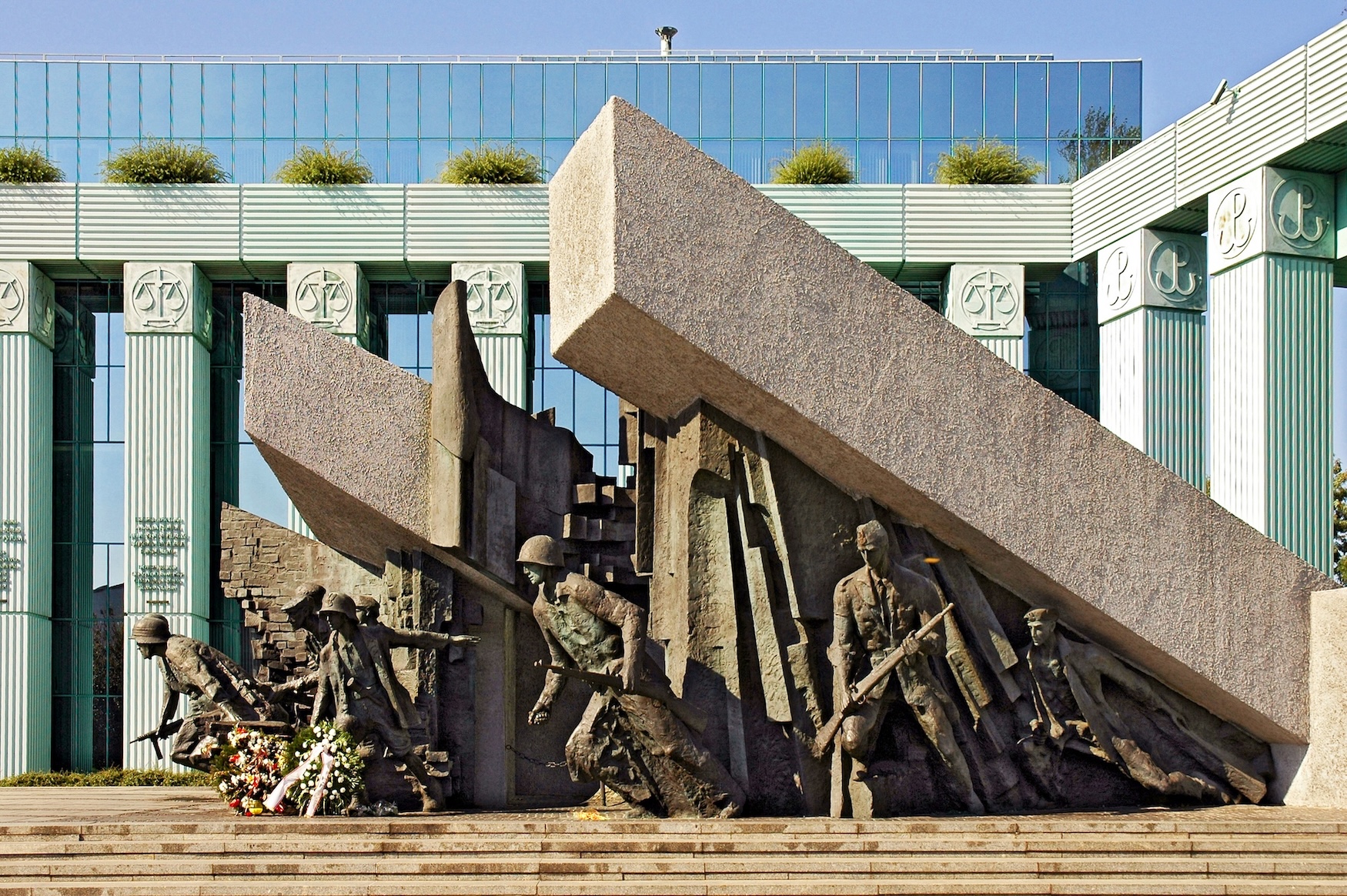
History trips to Somme

History school trips to Prague

History school trips to Paris

History school trips to the Opal Coast

History school trips to New York

History school trips to Munich

History school trips to London

History school trips to China

History school trips to Berlin

History school trips to Ypres & Somme

History school trips to Ypres

History school trips to East Coast USA

History school trips to Washington DC

History school trips to Brussels

History school trips to Boston

History school trips to Normandy

History school trips to Edinburgh

History school trips to York

History school trips to Krakow
History school trips to South Africa
History school trips to Somme & Ypres